
In Greek mythology, King Theseus of Athens, rescued the young Athenians from King Minos of Crete after slaying the Minotaur. Theseus’ ship, after his way back from Crete, was kept on the island of Delos, to honour God Apollo. To maintain the ship over time, any parts and wood that wore out was carefully replaced. That raised a philosophical question: If there are no pieces of the original ship, is it still the same ship? That question of identity is referred to as the Ship of Theseus Paradox.
This thought experiment has become a philosophical study of identity, its continuity and changes, and the questions are more important than the answers, which vary depending who you ask and his personal perspective on the matter. This thought experiment, however, can probably find different answers if it is placed in realistic cases. What we will do here, is to place Theseus’ Paradox in rock and metal music.
In March 2018, Crystal Logic, in its blogpost form, presented the article, Morality and inexplicable changes in the music industry and it was the first time an article was exploring this kind of change in music. It caused controversy, deep thoughts, and it was even copied by a few websites. Some people believed that those changes won’t happen to a bigger extent and found the examples mentioned as exceptions, while others were intrigued and believed that this kind of change might be realistic and would happen in the near future. Parts of this article will be mentioned again in this expanded version that will be deeper and more detailed, since those changes in music are already here.
Nostalgia and worship of the past is one of the main keys to how the music industry is moving and the classic acts and brands must stay with us forever, in one way or another. It is very difficult for the hard rock and heavy metal music industry to create new major acts like Black Sabbath, Iron Maiden or Metallica, and most likely it won’t happen in the near future. It is even more difficult (nearly impossible) for a new band to become like those old major acts. The reason is not exactly artistic but mainly because the music industry has changed.
From time to time, there are some “new” bands that create a fuss around their name and get high slots at big open-air festivals, but they can hardly make arena tours, or sell millions of physical copies. On the other hand, older bands always get more attention when they are active and when a major act is touring, the music industry is moving around their brand. Magazines have big features and cover stories with them, record stores stock their albums in big quantities, live shows are huge events attracting thousands of people, offering also work to many different individuals, but the question remains: What will happen when all these old and major acts retire?
Underneath the current status there is a thrust to perpetuate the presence of all the major acts. We have entered a period where older bands will keep moving even without founding members or with so many line-up changes that will transform their sound and image. At this point, there is an inexplicable trend to keep in purpose some elements to those acts that will connect them with their past so they will keep going as the “old act”. This might come up randomly or as a business plan, but music bands are transformed in a similar way to a sports club or team that keeps going with new members and players using the same brand name.
Staying in the present, what really makes a music group “original“? Is it the founding members? Yes and no. For example, in Journey, an American melodic rock band that has sold over 100 million records, the first line-up has nothing to do with the line-up behind some of their best-known and best-selling records like Escape (1981) and Frontiers (1983) which besides founding member and guitarist Neal Schon, also included singer Steve Perry, who are considered the main body of the band, but Perry wasn’t in Journey during their early years and albums. When you think of Journey, you have in your mind the image of musicians like Perry and Schon, and not Gregg Rolie, no matter how important musician Rolie was.
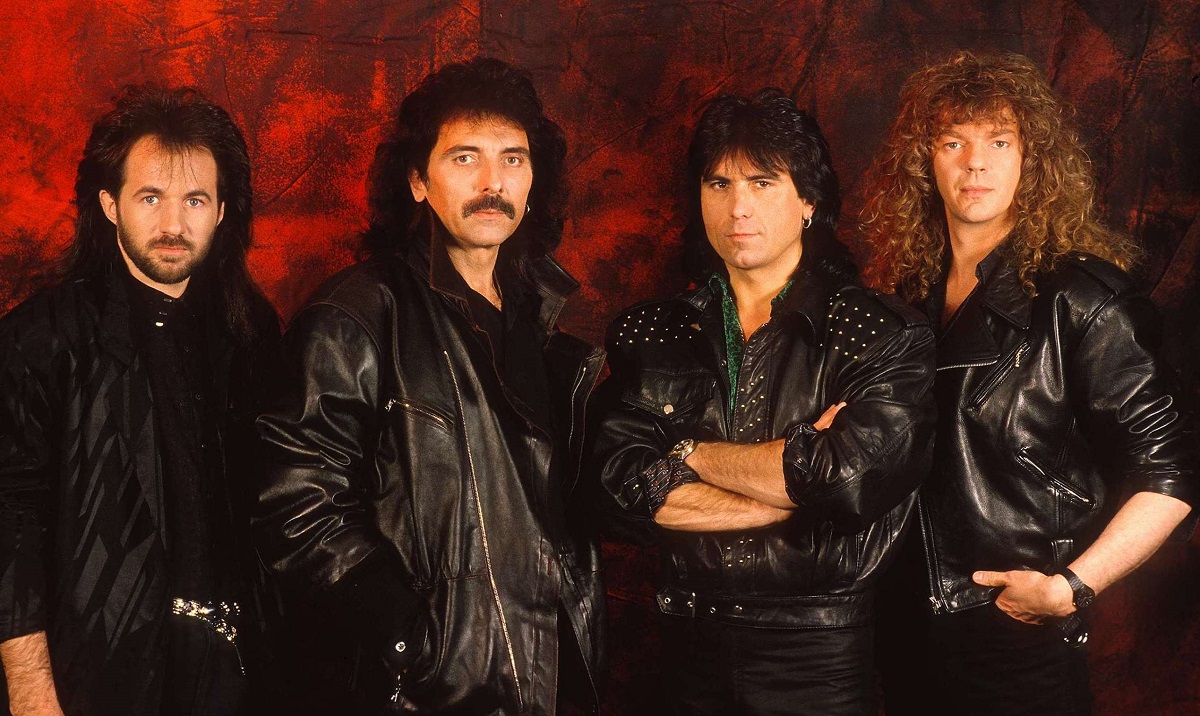
Therefore, what makes a music group “original” is not always the presence of the founding members, but the line-up behind their classic and iconic albums. I believe that there is no need to mention that the Deep Purple line-up which recorded their first albums with Rod Evans on vocals and Nick Simper on bass, has no validity over the classic line-up we all know just because it was the “original”. So, what is “original” is more complicated than who were there on the first album(s), or were founding members. That alone, is a factor that can change the perspective of originality, and since people accepted Black Sabbath in the mid to late ’80s, some even consider albums like Headless Cross or Tyr as their best ones, everything can be possible or valid as long as there is just one founding and constant member.
What gives validity to a band with just one or without founding members? It is the continuation, new albums and time. Time changes everything. Changes over time during the continuation and new albums might affect for a while, but as time passes by, they can be absorbed by the brand’s continuation and business, no matter who is gone, even if it was the main songwriter (for example, Stratovarius). If the newer albums find their audience and/or the band also performs live, the changes and transformation won’t affect the brand’s longevity or legacy. Some old fans will disagree, others won’t, and new fans will appear on the way. There are countless examples: Yes, King Crimson, Kansas, Jefferson Starship, Lynyrd Skynyrd, Saxon, Riot, Diamond Head, Tygers of Pan Tang, Cloven Hoof, Accept, Rage, Ostrogoth, Savatage, Fates Warning, and Angra just to name a few.
The brand name is strong. The brand name makes everything keep going, even if the band continues with just one founding member, and even if the previous main songwriter is not there. That can change the band’s previously existing identity, but as long as the brand name is there, from underground bands to mainstream brands, at a smaller or a bigger level, they can attract booking agents, record deals, and media interest, so they can tour and record new albums if they wish. What changes, is the perspective of fans and their different principles in similar or identical cases: Names that are already mentioned, but also Nazareth, Uriah Heep, Magnum, Q5, Warlord, Stormwitch, Pantera and many more that will be countless in the future, because the changes in music are already here. I have to note though, that this analysis is not about whether this is right or wrong, but regarding facts and how music is transformed from the past to the present and the changes to the future.
The continuation of the brand name in any case and under any circumstances, can always bring controversial and/or weird moments, like Guns N’ Roses touring only with Axl Rose from the founding members, Axl Rose touring as the singer of AC/DC, and Thin Lizzy touring without Phil Lynott, but be sure that there are already many similar cases, and more will follow.
Bands transformed into personified brands: There are cases of bands that always had a leader (or someone became the leader) and even if their classic albums are what they are because of the line-up they had at that time, the line-up changes — weirdly in some cases — never really bothered anyone. Some of the most known cases are W.A.S.P. (Blackie Lawless), Virgin Steele (David DeFeis), Running Wild (Rolf Kasparek), Megadeth (Dave Mustaine), and Whitesnake (David Coverdale).
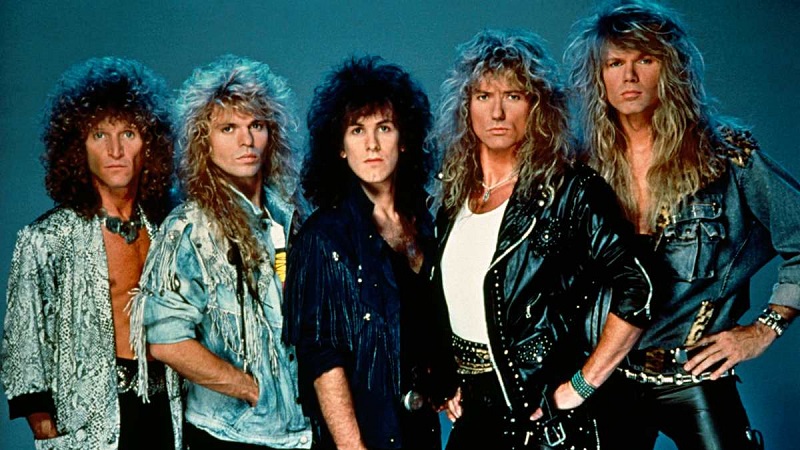
Whitesnake‘s 1987 album is the band’s best-selling album, reaching multi-platinum status in the United States. The album’s recording line-up was David Coverdale (vocals), John Sykes (guitar), Neil Murray (bass), Aynsley Dunbar (drums), and it was written by Coverdale and Sykes, minus the re-recordings. However, the band’s image and touring line-up was a new group surrounding David Coverdale, with established but different musicians, who even appear on the band’s video clips for the songs they didn’t write or perform. While a few older Whitesnake fans didn’t like the band’s transition to a more commercial and American style, the success and exposure was so massive, that they introduced them to a wider audience as something “new”. That new audience didn’t care about the different past, both musically and as far as the line-up was concerned. That’s a case of a transformed band which rebuilt its status to something new, becoming a different, mainstream monster, even if some previous albums also sold well.
The Whitesnake case is similar, even identical with newer cases — minus the multi-platinum status. One might say that there is a better music quality to the 1987 album, and that’s something accepted, of course, but the question is: if the music is good, or if it sells, do the changes of the full band minus one constant member make it more acceptable than changes which didn’t meet commercial success?
There are many examples that raise controversy and confuse people over time. For example, let’s examine the case of Venom, the founders of extreme metal music: The classic Venom line-up is Cronos (vocals & bass), Mantas (guitar) and Abaddon (drums). Cronos was the last one that joined. In the mid ’80s, Mantas left the band and was replaced by two other guitarists and just a few years later, he came back and Cronos was out of the band. For the next few years until the mid ’90s, the band’s main recording and touring line-up was Tony Dolan (vocals & bass), Mantas (guitar), Abaddon (drums) with the addition of Al Burnes on guitar. The original line-up was reformed in the late ’90s, but by the mid 2000s, only Cronos remained in the band using the Venom moniker. So, the one member that keeps the Venom brand was not in Venom for a few years and albums. During the mid 2010s, Tony Dolan, Mantas and Abaddon were recording and touring under the name Venom Inc. Which one is the “true” Venom since there was never a constant member? Or can we have different bands performing the same songs and sharing the same legacy?
There have been more similar cases over the years with the transformation of bands like Rhapsody and Tank through their different forms. Rhapsody became Rhapsody of Fire, and then there was also Luca Turilli’s Rhapsody, and Turilli/Lione Rhapsody, while in the case of Tank, there is the “original” Tank, and then there is Algy Ward’s Tank and Tucker/Evans’ Tank.
Blackfoot, Molly Hatchet, Foreigner, Quiet Riot, and Stratovarius, are just a few of the bands that are touring, or have toured, without any founding members on stage (some of them keep releasing albums, too), and as it seems, these changes in the music industry will be something usual in the future.
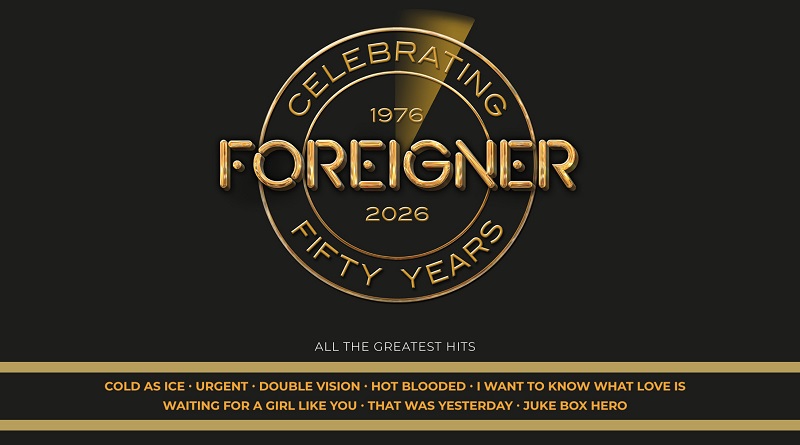
Foreigner‘s 50th Anniversary Tour is not that it just doesn’t include any original members, but none of the members who will be on stage have written or recorded any of the songs that are advertised and will be performed. The Foreigner brand has just promoted that in some specific shows, former singer of their best-known albums, Lou Gramm, will join them on stage for a few minutes as a special guest.
There is a band that might continue for many years, and you will never know or care who performs. Ghost is a mainstream band of our days, but the way they are promoted makes no difference to who is behind each Nameless Ghoul or who will be Papa Emeritus. Tobias Forge is the singer and founder, but also the business leader of the act, and he will probably keep his successful brand name for a long time. Ghost is presented in a way where he can do it and there are unlimited ways of moving on, behind specific people, with just music and shows. This is the exception to a “new” that can become a successful “old” in the years to come.
Back to the Ship of Theseus Paradox. To maintain the ship over time, any parts and wood that wore out was carefully replaced. If it was no longer the same, when had it ceased existing as the original ship?
If you keep all the old wooden parts which were replaced and build a new ship from those parts, you will have two ships. Which one will be the ship of Theseus?
Readers and thinkers will have their own answer, but here is also another, deeper matter. The second ship, the “original” ship, which was rebuilt from old, worn-out wood, might not be functional. You cannot escape time and age.
Let’s concentrate on Heavy Metal music. If we have to set a starting point; one band, one album, one year, it is Black Sabbath with their same-titled album of 1970. So, at the time this article is written, Heavy Metal music is 56 years old. Compared to other music genres like the Blues or Jazz, Heavy Metal is not really something old. After all, musicians who were the founders of this music and the first bands, are still alive. Hard Rock and Heavy Metal met a commercial success in the ’80s with many albums selling millions of physical copies. In the ’80s, heavy metal was music for young people. It was music by young people to young people. At the end of the ’80s and the early ’90s, the founders of this music were younger than the writer of this feature. Musicians like Tony Iommi, Ritchie Blackmore, and Rob Halford, who were among the oldest, were just in their 40s at that time, so there were actually no “old” people in this music. Just think about it. You rarely heard of a heavy metal musician’s death back in the ’80s. If it was happening, it was mostly by an accident or drugs. No one was dying of age, because it was simply “new” music. Now, those people are getting old, and we’re living into the years when most of them will start passing away. Does it mean that this music is dying?
As time was passing, music was changing, bands were changing, people were changing. Some musicians within the same band didn’t get along together for different reasons, in different cases. Name it artistic or business differences, or just some people wanted to leave or were let go. In many cases, the musicians who were leaving were taking a part of the band’s identity with them, and this is absolutely logical. The more important changes were singers, or songwriters, or a musician with a very characteristic style. Those bands changed; in some cases drastically. And the more the changes, the more the band was transforming. If the existing and new members were trying to keep the same identity, sometimes it appeared as fake and pretentious, or a business plan just to keep the same audience. Others just evolve and/or change.
Many of those changes affected fans and this is normal. It is normal because some fans are not connected just with bands, but also with specific members and their input and presence, which makes the band more special in their hearts and sometimes have a different musical identity than the one without those specific members. That’s why some people prefer Black Sabbath with Ozzy, others prefer Scorpions with Uli Jon Roth, others prefer the John Arch era of Fates Warning, while others the Ray Alder era of the same band. Some don’t accept Sanctuary without Warrel Dane, and others listen to Sepultura only with the Cavalera brothers, Pink Floyd with Roger Waters, Van Halen with David Lee Roth, and there are countless more examples. Some fans are connected with specific band members and the albums the bands made with them, not with others. It doesn’t matter if those members were in the band for just a few years within a long period, it just matters how some fans view it, and no one can blame them. You can’t make a fan follow a band forever, and a fan doesn’t have an eternal obligation to follow a band which becomes a brand because another member has the rights of the name, or because he wrote most of the music.
On the other hand, it is every musician’s right to continue, or change. Musicians are also growing and changing artistically. There are bands that have transformed entirely without having a solid musical (and line-up) identity, and they still maintain their fanbase. An example is Fates Warning. That means that art can be above identity in some cases and the artist also doesn’t have to stay loyal to the past but only to his artistic will. He can find a new audience, some older fans will stay with the band, others won’t follow. Everything can change, but once you change, you can’t have the demand for everyone to stay with you. This is simple, and it happens in every aspect of life, not just music.
Yet, in some cases, the artistic change is more honest than the pretentious dwelling on the past without any real emotional connection to it. And here, we will mention again what gives validity to a band with just one or without founding members: It is the continuation, new albums and time. Time changes everything. Changes over time during the continuation and new albums might affect for a while, but as time passes by, they can be absorbed by the brand’s continuation and business, no matter who is gone, even if it was the main songwriter. Then, it is in the fan’s heart and preference if they will follow, but the band can always get new fans on the way.
However, the impact in the pre-internet era wasn’t so loud as it is now because back then, no one had the easy access anyone has now in social media, web magazines, websites, etc. Still though, time changes everything. The fans’ perspective also changes, since in similar or identical cases, they accept one and discard another. If you check all the names that are already mentioned, there are many similar or identical cases, but the exact same fan doesn’t view them all equally. This might be weird sometimes, but there is also a different perspective between different people and how they view similar cases, what was their connection and bond with each band and musician, and how they view the albums with different members. One can say that some fans have double standards, and this is also something that’s happening.
I am not an exception to this, neither do I deny that I fall into the category of the “double standards” (nearly everyone does) since, for example, I accept and like any incarnation of Black Sabbath or King Crimson, but I don’t listen to the Slayer albums outside the classic line-up of Tom Araya, Jeff Hanneman, Kerry King, and Dave Lombardo. You just accept and prefer some things over others that don’t really matter to you.
Some changes are inescapable because of time, just like the ship of Theseus. To maintain the ship over time, any parts and wood that wore out was carefully replaced. So, if you assemble all the old wooden parts which were replaced and build a new ship from those parts, you will have two ships, but the second one, the “original”, won’t be functional. You cannot escape time and age. But sometimes, you just need to end something. Everything that has a beginning can also have an ending. It doesn’t have to always change and transform into something that has nothing to do with what it began.
The perspective of time is different now. While time is time, and we all age the same way, back in the ’80s, bands were releasing albums within a short period. For example, Iron Maiden released their first album in 1980 and by 1990, they had already released 8 full-length studio albums. From that year until now, 36 years later, and they have released 9 more studio albums. If you look back to an album like Brave New World, it doesn’t look like an “old” album. However, that album is closer to the year of their debut album of 1980, than the present…
There is also the factor of the actual “change“. For example, in the ’80s, changes weren’t as frequent and usual as now. Name them artistic changes, line-up changes, industry changes, technological changes, etc. From the ’90s and on, changes started becoming more frequent and from the 2000s and 2010s and on, they are rapidly. This is something that happens generally and not only in music and art, but it definitely affects music and art.
Therefore, in the past, you had more albums and fewer changes, and now you have fewer albums and more changes overall for the same bands and brands, so this affects the perspective of time. Even with fewer albums per band, everything else seems to move faster.
Another change in heavy metal music is the lack of the element of danger. This might sound laughable to some people and younger generations, like Generation Z and Gen Alpha (even to some Millennials), but in the ’80s, metal music was dangerous, and it was hardly accepted by society. After all, it was the music of the youth, and young people were rebellious back then, including both musicians and fans. While years were passing and this music was aging, the element of danger started fading or being absorbed by the change of society, since what was looking as extreme and was shocking in the ’80s (not only in music), now it looks unimportant or funny, or it is just censored, considering how life and people’s minds have been changed over the years.
While years are passing, physical sales of music have become less, but this doesn’t mean that the bands have become less successful or less commercial, since for a few of them, the live shows have become more profitable. Some big bands have become bigger brands and metal music has also become fully accessible, without any element of danger — or some older controversial elements have been removed. In the ’80s, there were people, including parents, the Church, and the media, considering Ozzy Osbourne as a worshiper of the devil. Decades later, Ozzy became a pop and mainstream icon, even visiting the White House. You can listen to the music of Black Sabbath and Metallica in major blockbusters movies and TV series, so brands like them have also become a part of pop culture. Now, the huge heavy metal concerts can even include specially designed sensory rooms for individuals who may need a quiet and calming environment to decompress from the noise and intensity of the concert, including in the room, a psychologist, juices and noise-limiting headphones. I am not saying that this is for the better or for the worst, but Heavy Metal has clearly changed. For some people, this is evolution, for others, this is compromise. Heavy Metal is no longer the music of young people to young people, it is no longer the music of youth, and it has reached the crossroads of its total transition to something that could make it last beyond what we knew as human and physical normality.
Keeping the legacy alive or keeping the business going on?
While the bands are changing, time moves differently as decades pass. Mark Tornillo has already recorded 6 albums with Accept, and he has been the band’s singer for nearly 20 years. However, when one thinks of Accept, it is mostly the less than 10-year period with recorded albums in the ’80s when the band was fronted by Udo Dirkschneider. So, no matter how many years a late member is with a band, in many people’s mindset, the iconic members and the albums they’re on remain stronger. In many cases, artistically they are stronger and more original, too.
Yet, while the bands who became brands keep moving on with new albums and tours, past members of the brand name jump on the legacy wagon, creating something that keeps the music and legacy on performed by different people. In most of those cases, a past singer is the most valid element, since he was also an important part of the band’s image, so they keep touring and performing live sets exclusively with material of their past band. So, in the last few years, we’ve had cases such as Udo Dirkschneider performing Accept, Geoff Tate performing Queensrÿche, Blaze Bayley performing Iron Maiden, Doro Pesch performing Warlock, and Mike Tramp performing White Lion, to name a few. This is something that will keep going on in the future, with more musicians (not only singers) performing exclusively material or specific albums in their entirety from their past bands, while in many cases their former band is still active.
Queensrÿche’s current line-up includes two members of the classic era which recorded the band’s best albums, guitarist Michael Wilton and bassist Eddie Jackson. Singer Geoff Tate is touring performing Queensrÿche. If any of the former members of the classic line-up, especially guitarist Chris DeGarmo, join Tate, who will be the “real” Queensrÿche? The ones who have the rights to the name and give it continuity with more albums, or the ones who are closer to the essence of the band’s classic, big-selling albums, even if they can’t use the brand name? Realistically and not hypothetically, Dirkschneider on stage, look and sound more like classic Accept than the current band that’s using that name after all.
Legal settlements can offer the brand to specific band members, no matter who is the founder or the main songwriter. A prime example is the case of Pink Floyd, where the founder and main songwriter, Roger Waters, doesn’t have the rights of the name, but he has the rights to specific concepts of the band’s history (for example, The Wall, that is mostly composed by him), while David Gilmour, who wasn’t a founding member, neither the prime songwriter, has the right of the name, recording and touring using it. The continuation of each band and brand, can also be business-related and not only artistically. So with that in mind, business can find ways to continue nevertheless.
There are some bands though, who view their legacy differently. The prime example is Led Zeppelin, one of the greatest and best-selling bands in the history of rock music. They disbanded after the passing of the drummer John Bonham in 1980, and while they took the stage in a few rare cases, mostly for charity and a special gig in 2007, they never toured or recorded new music under that name, even if a Led Zeppelin tour would bring millions in profit. Members of the band believe that without Bonham the band would be different (the unique identity factor), and also that they have a different artistic viewpoint now, so resurrecting the band wouldn’t be true to themselves.
Similarly, on a smaller level, Thomas Gabriel Fischer, while he has any right to do it, as the founder and main songwriter of both Hellhammer and Celtic Frost, in respect to his legacy and Celtic Frost co-founder Martin Eric Ain (who passed away in 2017), he focused on new music with Triptykon, while he gives selected special shows performing the music of his past bands under other names like Triumph of Death (performing Hellhammer), and Triptykon performing Celtic Frost. Therefore, some artists can view their legacy and its identity differently than a continuation as a business plan.
The hunt for artistic originality in the modern music era will be extremely difficult, but still though, there are a few new bands with their own identity. The music we were listening to at a younger age can stay more with us, it can have a very special place in our hearts, and it can become a landmark we will compare with everything that follows. This is the experiential element that’s very important for many people, and it is undoubtedly a factor you cannot separate from a fan of music. The bigger and wider the impact, the larger possibility to keep that “old” music more relevant and continued, so the memories and legacy won’t fade. This is the power of nostalgia.
Rob Halford of Judas Priest has said: “The music that touches you in your youth is magnified as you get older. Each record can be a virtual time machine and all you need is to hear a second or two, and you go back to that place and time when you first heard it. It’s a brilliant feeling when music touches you so profoundly and stays with you through time.”
That’s why many people compare everything newer to the older stuff, and in most cases, those who keep doing it cannot accept the quality of a later work. On the other hand, decades later and with everything almost written and performed, it is not so easy to be original or a leader, while the old bands mostly steal the spotlight, and it seems that they “must” keep going on.
There can also be a fan connection to a newer version or transformation of an “old” band, especially since the time after their so-called classic era can be longer. For example, I personally have no experiential connection to the early Molly Hatchet albums and I listened to their discography fully, nearly 25 years after their early platinum era. Subjectively, and since I am not really a huge fan of the band, I prefer their later ’90s and ’00s albums, to the first two classics. So, it can happen with every band and every fan, in every case, because music is also a matter of taste besides the connection to the classics, and their importance.
Overall, there is always an emotional bond between a beloved artist and his fan. This emotional bond can have a different impact on different people, especially when they do not separate the art from the artist. But we need to clarify this: The artist is mortal, and the art is immortal. The artist will stop or pass away, but his art will remain.
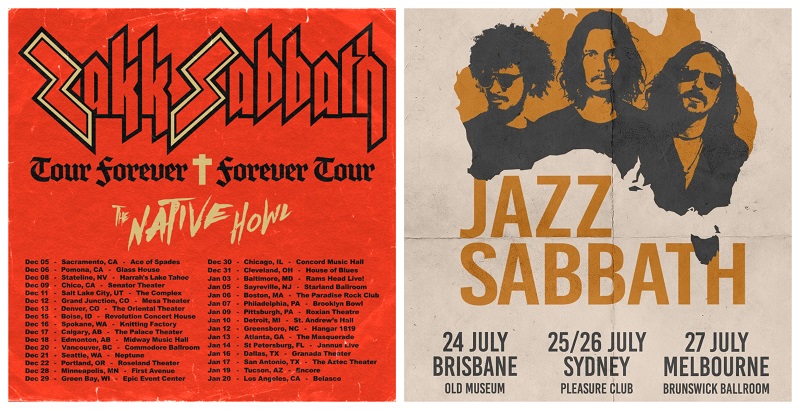
Zakk Sabbath and Jazz Sabbath are two tribute bands founded by well-known musicians. Zakk Sabbath is led by guitarist and vocalist Zakk Wylde (Black Label Society, Ozzy Osbourne) performing only ’70s Black Sabbath, and they have even recorded albums re-creating the early music of Black Sabbath. Jazz Sabbath is a jazz trio led by keyboardist Adam Wakeman (Ozzy Osbourne) who was also a touring member of Black Sabbath for a few years.
In modern years, the works and music of classical composers (name them Bach, Mozart, Beethoven, Tchaikovsky, etc.) are presented by Symphony and Philharmonic Orchestras with huge success. It is an event in class halls, also attracting the “elite” of people. Wolfgang Amadeus Mozart died in 1791, but his music lives on through those orchestras. Can the music of the modern musicians of our century live on through “orchestras” of the future, that will probably be tribute acts with newer musicians inspired by the art of the original composer? It is already happening for a few acts. It will happen with more in the future.
The transformation of music is so deep, that even those famous Symphony and Philharmonic Orchestras which perform the music of the classical composers change all the time. For example, the London Symphony Orchestra or the Berlin Philharmonic Orchestra work like sports clubs or businesses that change their members over the years and decades, keeping the same name as long as it can last, and after so many decades, there isn’t any founding member present or even alive. So, what’s happening now with rock, hard rock and metal music, has already been happening with classical music for centuries. The Mozart music you’re listening to is not the actual music he composed and supervised when he was alive, but his music performed by other people for centuries. In a few decades from now, there will probably be similar “orchestras” — what we call now, “tribute bands” — performing the music of Black Sabbath, or Kiss, or Pink Floyd, or many others. It is already happening for some bands. In a few decades, the originality and the absence of founding and main members that’s an issue for many people in the present will make no sense for the people of the future. Just like it makes no sense if Mozart is alive when someone is listening to his music from the Philharmonic Orchestra.
Many more Legacy and Special Shows will appear in the near future, including some special guests or past band members of the “legacy”. Tribute bands, Celebration Shows and “heritage act tours” will be a bigger part of the music festivals and events. This is not about how good or how bad the future will be, this is about inevitable changes that people who lived those bands probably won’t accept, but will make no difference to the young people and people of the future.
However, the future is uncertain, especially since we’re witnessing the rise of Artificial Intelligence, and we can’t predict how it will affect music, and art in general. We have already witnessed the awkward Ronnie James Dio’s hologram tour, and we can’t predict what could follow, but with the rise of AI, perhaps anything is possible.
Many elements which were created by a human will be assigned to AI and that will become a habit. Thinking and creating will become simpler and superficial for many people. Art can become a cheaper and easier AI-generated product, accessible to creation by anyone who has access to a program that will guide them and not be guided by them. And all this will become an addiction, slowly placing the future of art and creation into technology’s hands.
Music is changing. Art is changing. The world is changing. And those changes will be rapid. In the end, perhaps the Ship of Theseus Paradox might not really be a “paradox” since everything can change. The ship is just a ship, and you are who you are. But are you the same person you were 20 years ago? Do you look, think and act exactly as you did 20 years ago?